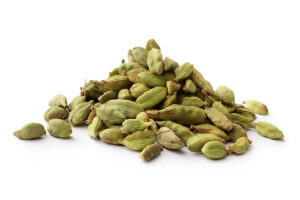
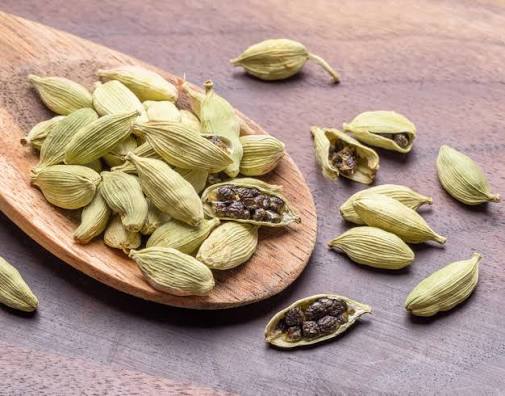
The Indian cardamom industry is witnessing another challenging season in 2026. According to recent updates from the Spices Board, cardamom production in Idukki, Kerala—India’s leading green cardamom-growing region—is expected to decline due to unfavorable weather conditions and lower crop yield.
For importers, wholesalers, and food manufacturers worldwide, this development could impact product availability, market prices, and procurement strategies. Understanding the reasons behind the reduced yield and planning purchases accordingly can help businesses avoid supply disruptions and rising costs.
In this article, we explore why cardamom production has declined, what it means for the global market, and how buyers can secure a reliable supply.
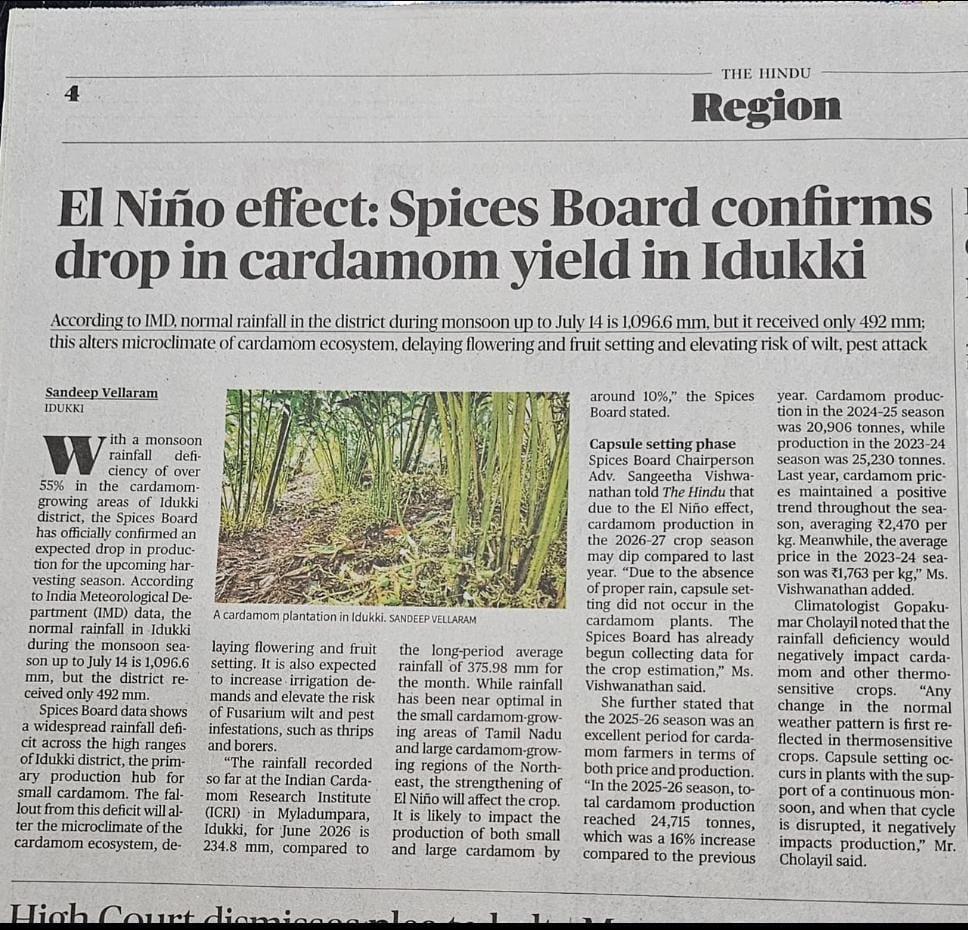
Spices Board Confirms Lower Cardamom Yield in Idukki
The Spices Board has indicated that cardamom production in Idukki, Kerala, is expected to decline during the 2026 season. Idukki is India’s primary green cardamom-producing district, supplying a significant share of the country’s premium-quality cardamom.
A lower yield may reduce the quantity available in the market, creating challenges for exporters, wholesalers, and international buyers. As demand remains strong, this situation could put upward pressure on prices and make early procurement more important for importers.
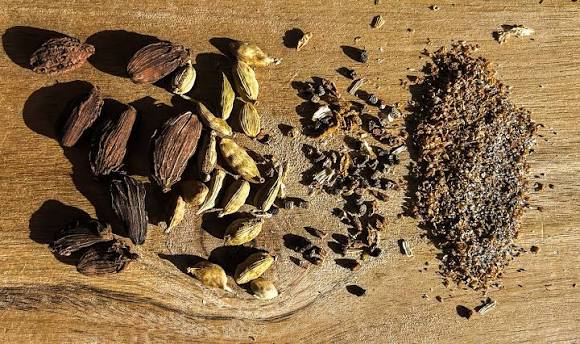
Why Has Cardamom Production Declined in 2026 ?
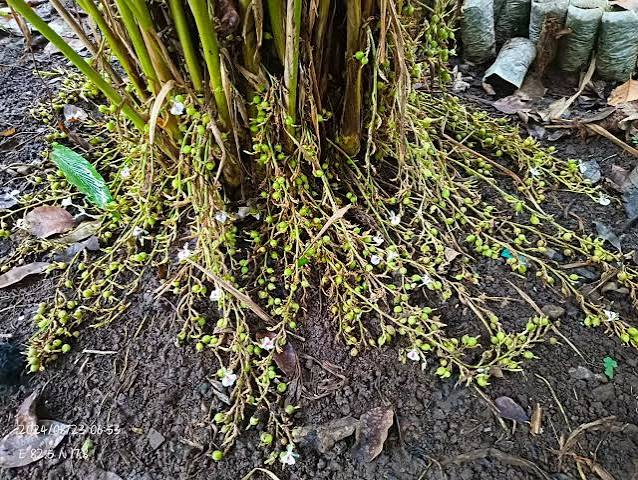
Several factors have contributed to the decline in cardamom production during the 2026 season. Weather remains one of the biggest challenges. Irregular rainfall, changing climate patterns, and less-than-ideal growing conditions have affected flowering and crop development in many plantations across Idukki.
In addition to weather, rising cultivation costs, pest and disease management, and labour shortages have also placed pressure on farmers. Together, these factors have reduced the overall yield, making premium-quality green cardamom less available than in previous seasons.
How Will This Affect Global Buyers and Cardamom Prices ?
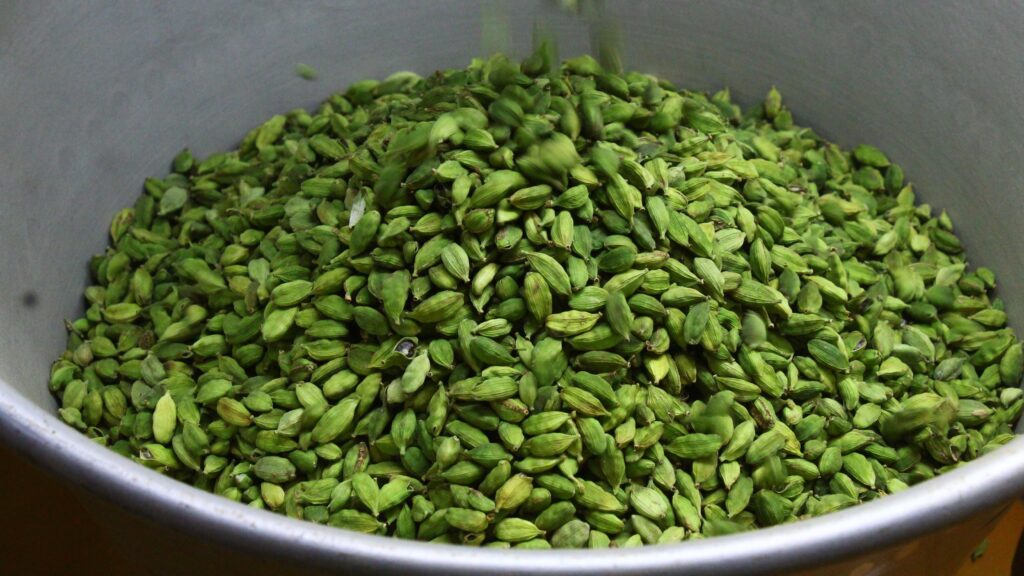
📌 Lower availability – Reduced production means less premium cardamom in the market.
📈 Price volatility – Limited supply may lead to price fluctuations.
🚢 Early procurement – Buyers should place orders in advance to secure quality stock.
🤝 Reliable exporters matter – Partnering with trusted suppliers helps ensure consistent supply despite market changes
What Should Importers Do Now ?
Instead of waiting for prices to stabilize, buyers should take proactive steps:
• ✅ Plan purchases in advance.
• ✅ Work with reliable Indian exporters.
• ✅ Prioritize quality over short-term price changes.
• ✅ Stay updated on market trends and crop reports.
Frequently Asked Questions (FAQ)
Q1. Why is cardamom production declining in Idukki?
A. Weather conditions, lower crop productivity, and cultivation challenges have affected the 2026 harvest.
Q2. Will cardamom prices increase?
A. Prices may fluctuate depending on supply and market demand.
Q3. Should importers buy early?
A. Early planning can help buyers secure better availability and reduce the risk of supply shortages.
Partner With Umza Global
At Umza Global, we supply premium Indian Green Cardamom to importers, wholesalers, and food businesses worldwide. Our focus is on consistent quality, competitive pricing, and reliable export services.
Whether you’re looking for bulk quantities or a long-term supply partner, we’re here to help.
📩 Contact us today to discuss your requirements and receive a customized quotation.
According to the Spices Board India, weather and production trends continue to influence India’s cardamom market.
Stay connected with Umza Global for the latest updates on the cardamom market, export insights, and global spice industry trends.